
Box Office: 01943 467466
What's On
 26June
Science Cafe
Advance Price: £6 Students in full-time education : £0
Our regular Science Cafe returns once more with a veritable cornucopia of science. Each speaker has a quarter of an hour to talk, then you, the audience, take over. Whether you want to grill the speaker about generalities or pose a particular problem, the floor is yours. Our cafe is just the place to sample some new science – and something from the bar!
Further Details
Act's Website: https://otleysciencefestival.co.uk
Otley Courthouse
Upcoming Events
 23Jun
23Jun
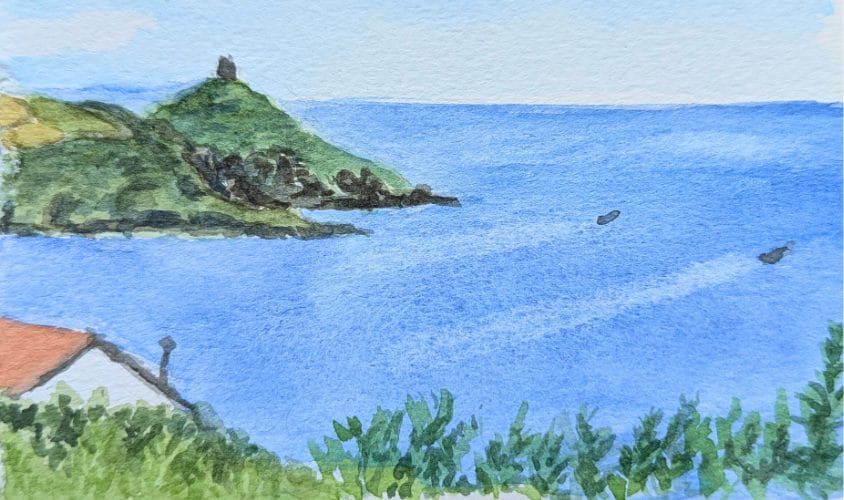
Beginners Watercolour Painting
This beginner-friendly workshop aims to demystify the basics of watercolour technique in a supportive environment.

 24Jun
24Jun
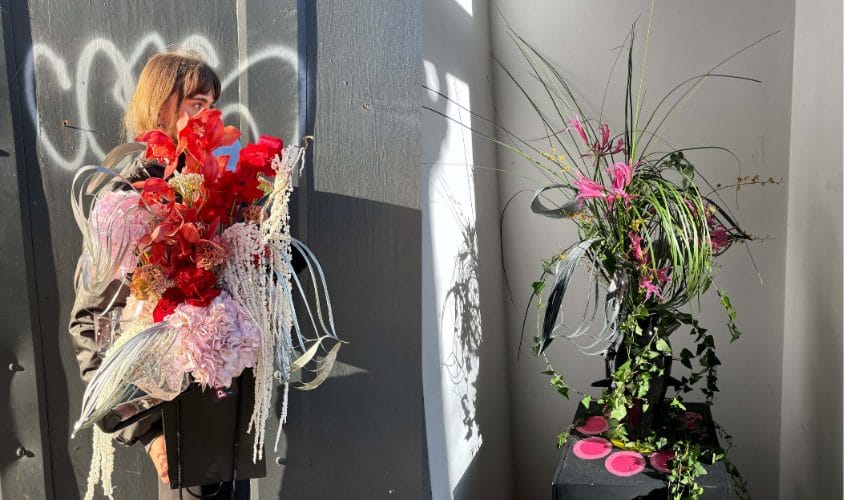
Summer Flower Arranging Workshop
Join Emily from PRIK flowers for a modern floral arranging workshop using fresh summer flowers.
 25Jun
25Jun
Movie Matinee: Freud’s Last Session
Psychoanalyst Sigmund Freud invites professor C.S. Lewis to debate the existence of God, Freud's unique relationship with his daughter, and Lewis' unconventional relationship with his best friend's mother.
 25Jun
25Jun
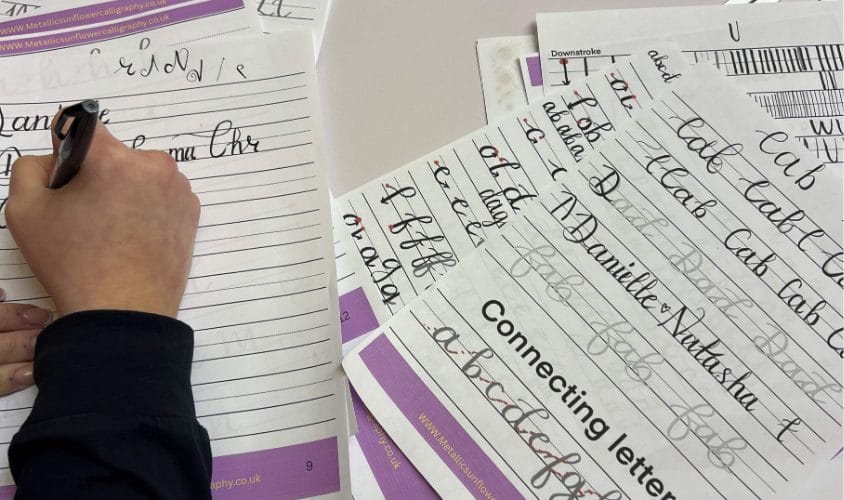
Beginners Calligraphy Workshop
Friendly, step-by-step workshop covering basic strokes, letters and phrases, then creating beautiful personalised cards.
 25Jun
25Jun
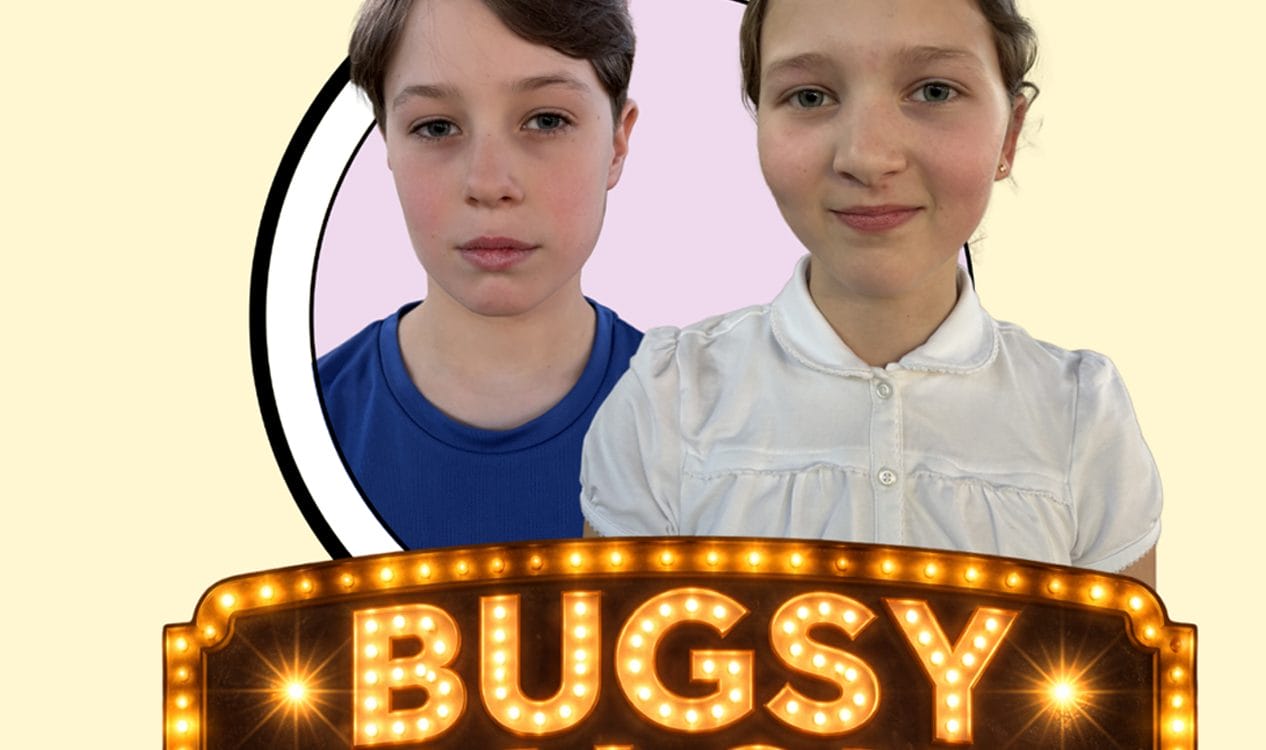
Otley All Saints C of E Primary School: Bugsy Malone
1929, Gangster warfare in New York Dandy Dan’s hoodlums are terrorising the city with their new weapon – splurge guns!
26Jun
Otley All Saints C of E Primary School: Bugsy Malone
1929, Gangster warfare in New York Dandy Dan’s hoodlums are terrorising the city with their new weapon – splurge guns!
26Jun
Otley All Saints C of E Primary School: Bugsy Malone
1929, Gangster warfare in New York Dandy Dan’s hoodlums are terrorising the city with their new weapon – splurge guns!
 27Jun
27Jun
The Searchers & Hollies Experience
Experience the unforgettable sound of two of the greatest harmony bands of all time in one sensational tribute show.
 28Jun
28Jun
Our monthly designer craft fair showcases variety of stalls featuring a wide selection of crafts, designed and made by local craft people.
 28Jun
28Jun
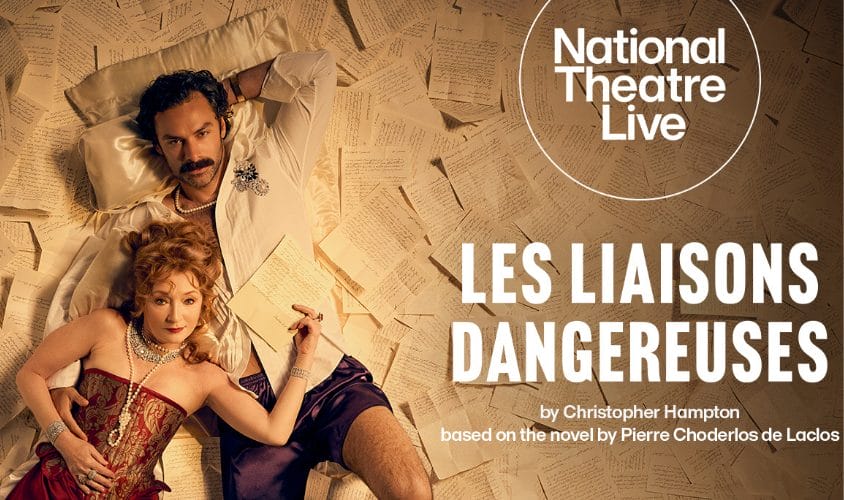
National Theatre Live: Les Liaisons Dangereuses
Lesley Manville joins Aidan Turner in a striking new staging of Christopher Hampton’s adaptation of the classic novel.
 30Jun
30Jun
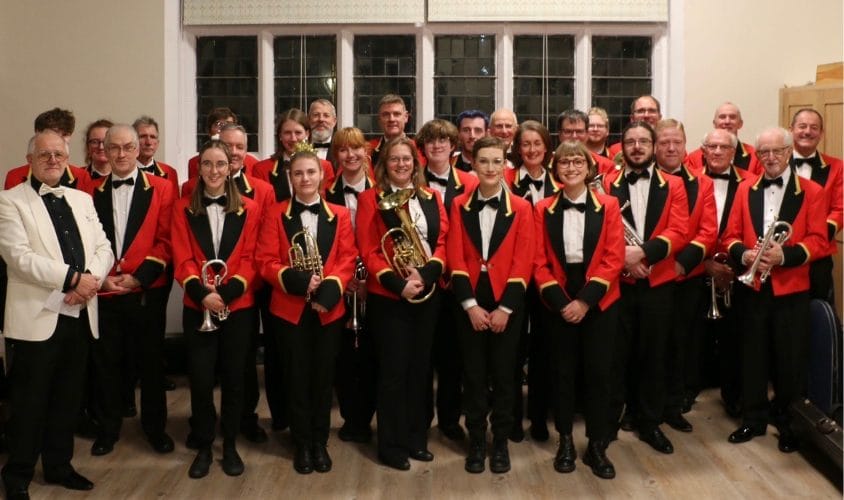
Otley Brass Band are back for the second instalment of their At Home concerts.
 02Jul
02Jul
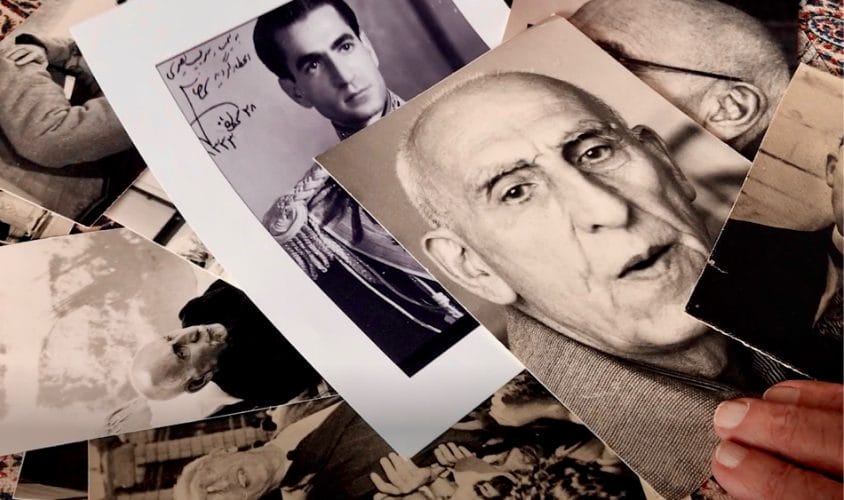
In 1953, a military coup led by British MI6 backed by the CIA overthrew Iran's democratically elected Prime Minister, Mohammad Mossadegh. His crime: nationalising the country's oil.
Otley Courthouse
About the venue
Otley Courthouse
Address
Otley Courthouse, Courthouse Street,


